
Water Damage Insurance Process in Louisville, KY
Water in your home is stressful enough without wondering how cleanup and insurance fit together. Rodriguez Cleaning and Restoration helps Louisville homeowners understand the restoration work, coordinates with the adjuster, and bills insurance directly.
Call (502) 365-6779 for 24/7 Help
A live person answers around the clock and connects you with an on-call technician. For the complete cleanup and repair service, visit our Louisville water damage restoration page.
From Mitigation to Repair Planning
These photos from a Louisville basement project show the restoration work behind the documentation. They illustrate mitigation and preparation for repairs, not an insurer’s coverage decision.
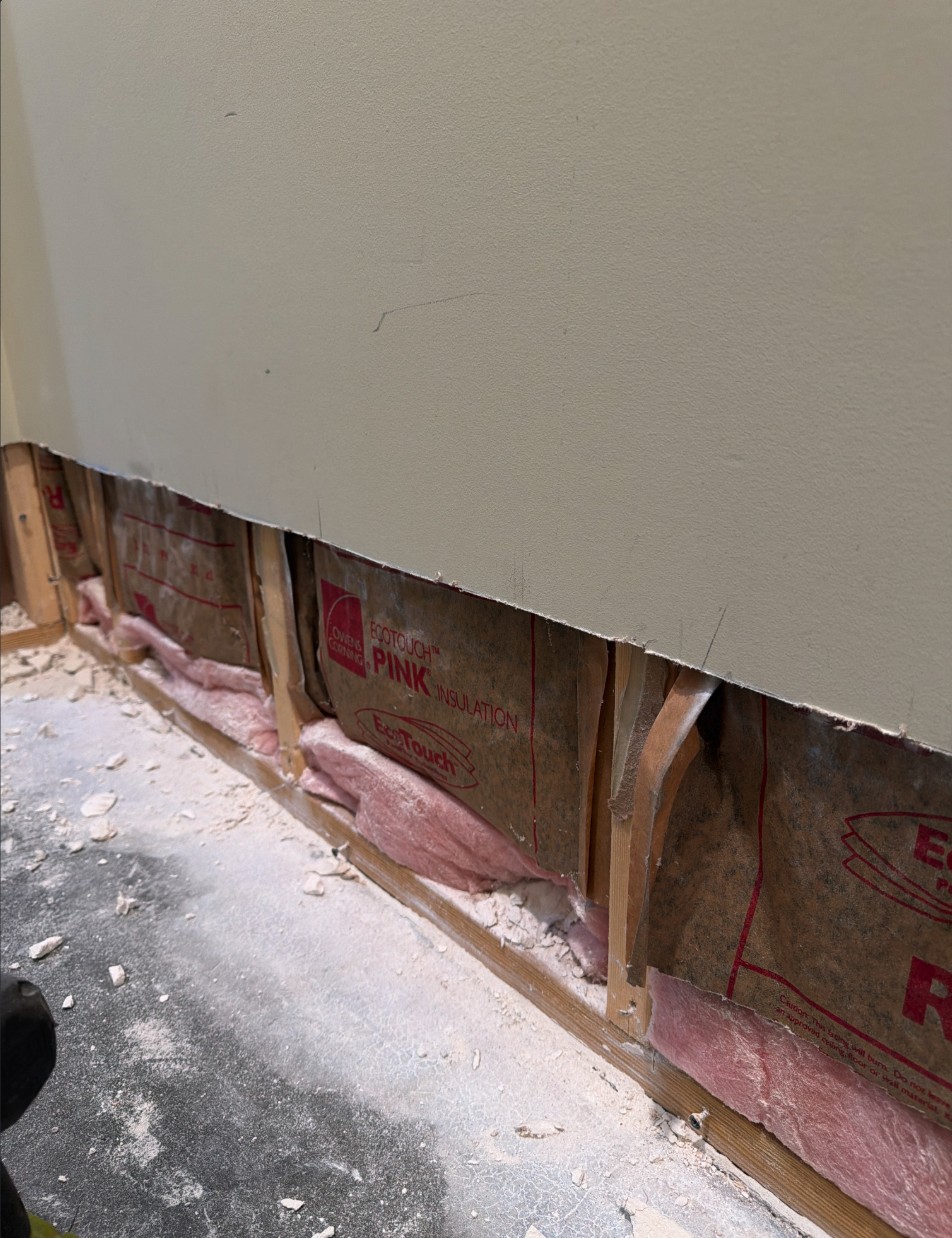
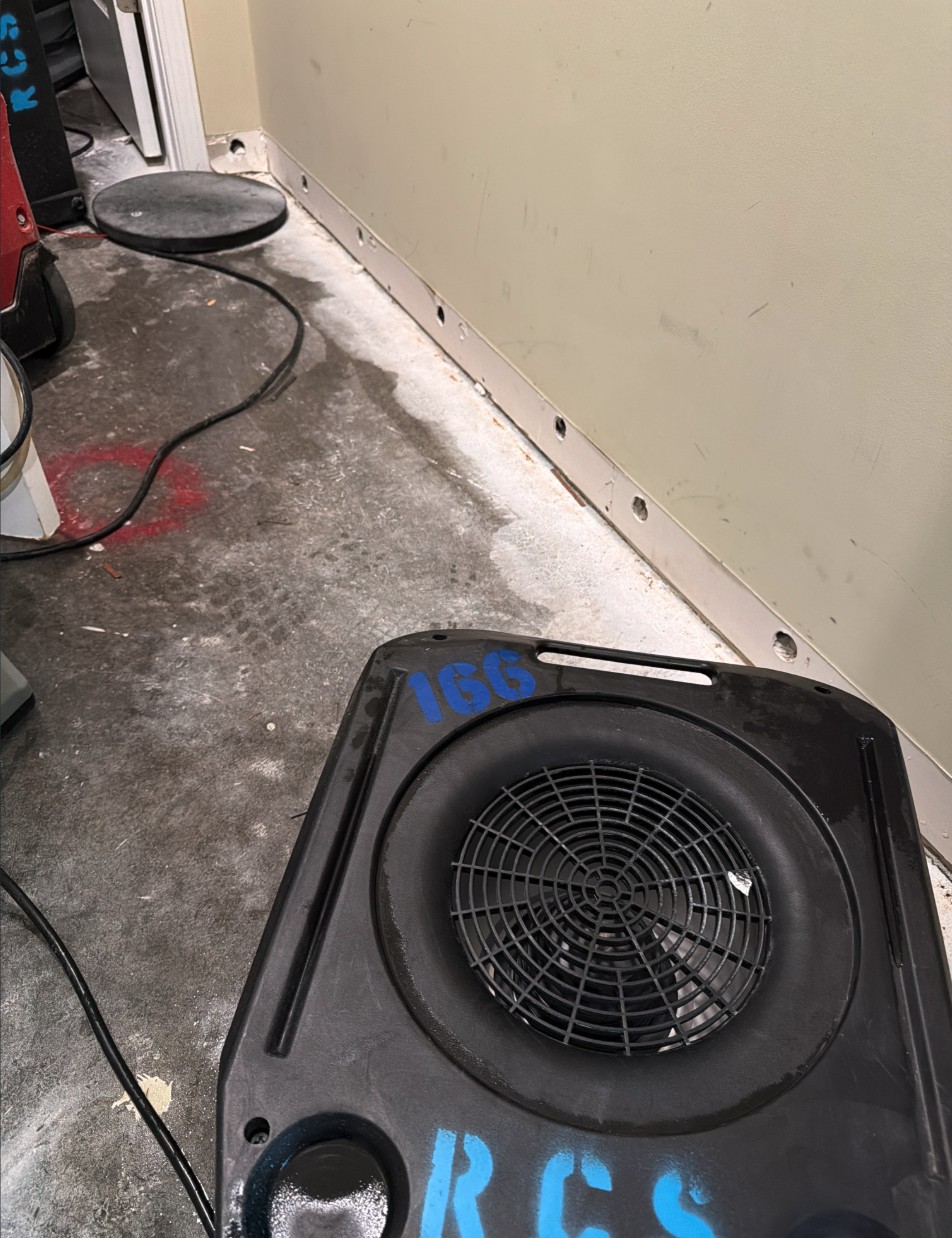
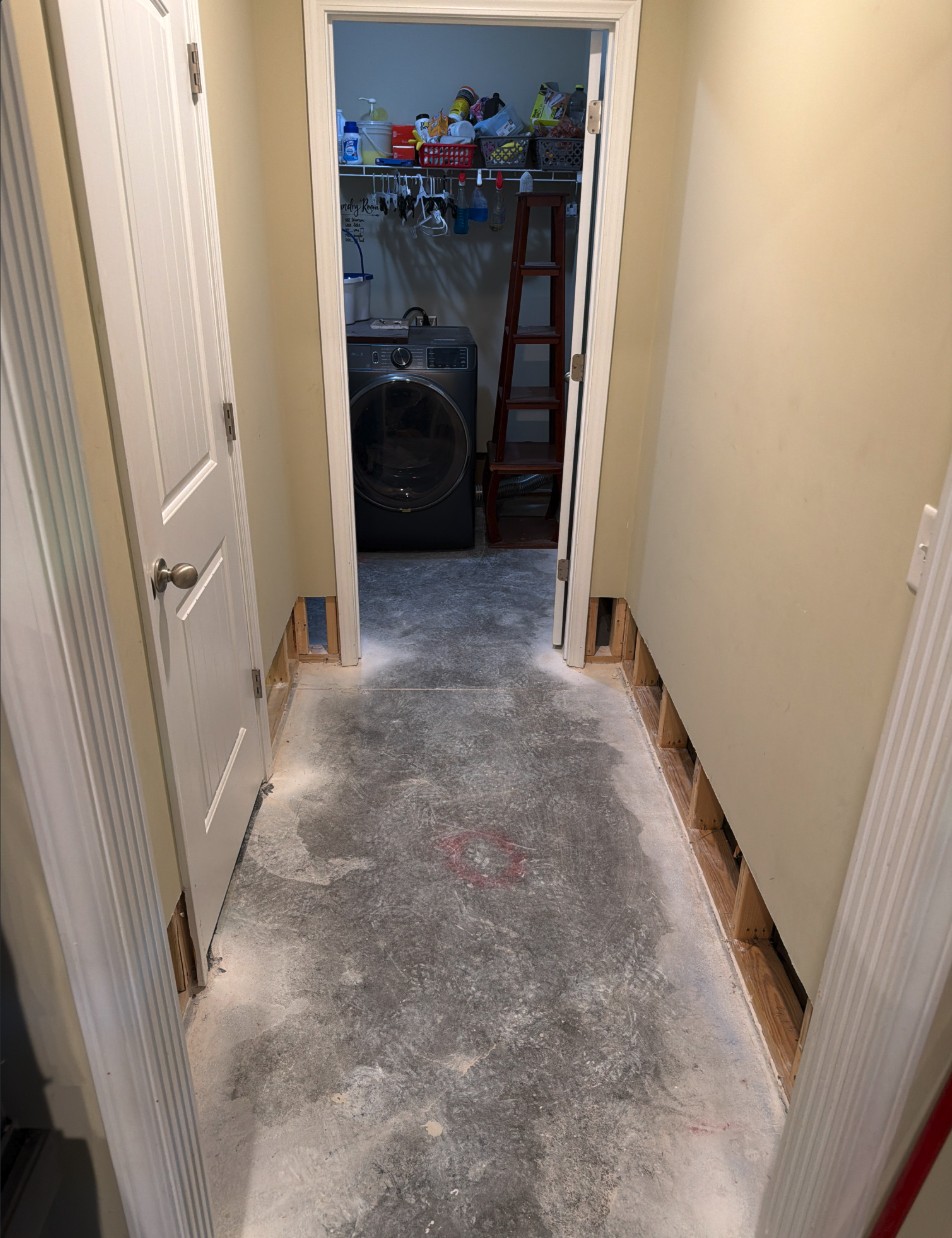
See the Louisville basement restoration case study for the project behind these photos.
How Our Water Damage Insurance Process Works
Mitigation comes first; repair estimating comes afterward. Our process is to start and complete the mitigation work before the adjuster walkthrough for the repair estimate. An initial rough mitigation estimate is different from our final mitigation estimate and from the later repair estimate.
1. Call us and notify your insurer
Tell us when you discovered the water, the affected areas, and whether water is still entering. Notify your insurance company promptly, ask about its claim requirements, and share your claim number and adjuster contact information with our team. You do not need a completed repair estimate to call for mitigation help.
2. Assess the damage and discuss a rough mitigation estimate
We assess the affected materials, explain the proposed mitigation work, and can give you a rough mitigation estimate before starting. This is a preliminary estimate, not the final mitigation amount. We review the work and authorization with you before we begin.
3. Start and complete mitigation
We carry out the mitigation process, including the needed water extraction, cleanup, and structural drying and dehumidification. We document the damage and work with photos and moisture readings. We complete this stage before moving to the repair-estimate walkthrough; mitigation is not held until that repair visit.
Keep away from standing water near electricity or suspected sewage. Do not enter an unsafe area to take photographs.
4. Prepare the final mitigation estimate
Once mitigation is complete, we prepare our final mitigation estimate in Xactimate based on the documented work performed. This reflects the completed mitigation scope rather than the rough estimate discussed at the start. We review it with you and coordinate direct insurance billing.
5. Walk through the repairs with the adjuster
After mitigation, we return to your home and walk through the affected areas with the adjuster for the repair stage. We explain the remaining damage and repair work needed as the adjuster prepares the repair estimate. Share the inspection arrangements with us so we can attend in person.
6. Review and negotiate the repair scope and price
We review the adjuster’s repair estimate against the work your home needs. With your authorization, we discuss and negotiate the repair scope and pricing with the adjuster, document differences, and work toward an agreed repair price. These discussions concern our restoration work; your insurer determines policy coverage and claim payment.
7. Agree on the repair work, then begin repairs
Once the repair scope and price are agreed and you authorize the work, we begin repairs and rebuild. We review the agreed work and billing arrangements with you before construction starts. Rodriguez handles the project from mitigation through the repair stage.
Direct Insurance Billing
We work with most carriers, including State Farm, Travelers, Kentucky Farm Bureau, and Liberty Mutual. Direct billing and use of Xactimate do not guarantee that an insurer will approve every item or amount, or that you will have no out-of-pocket cost. Review your coverage, deductible, and payment responsibilities with your insurer and our team.
What Your Claim File Actually Contains
Most of the friction in a water damage claim comes down to one question. Can you prove it. An adjuster reviewing a file weeks after the equipment came out was not standing in the house while the walls were wet, so the documentation has to do that work instead.
On a water damage job we run, the file includes:
- A 3D scan and floor plan of each affected room, so the measurements are not a number somebody wrote on a clipboard.
- Moisture readings taken room by room against a written dry goal, recorded as the job goes rather than reconstructed at the end.
- Atmospheric readings, temperature and relative humidity, which show what the drying equipment was actually working against.
- Photographs of every affected area before, during and after, including photos of the readings themselves.
- Equipment records, what ran, in which room, and for how many days.
- The estimate written in Xactimate, itemized line by line rather than handed over as a lump sum.
That is the difference between an invoice and a claim file. An invoice asks a carrier to take your word for it. A claim file shows the work, which is a much shorter conversation.
What This Looks Like on Real Jobs
We publish the documentation from actual Louisville jobs, with the homeowner details removed, so you can see how this works instead of taking our word for it.
- A burst pipe that ran for three days before anyone found it, and how the delay changed the water classification and the scope.
- A sump pump failure where clean water still soaked four areas of the home and needed thermal imaging to map.
- The same failure in a finished basement, this time contaminated, and roughly five thousand dollars further apart because of it.
- A Category 3 sewage backup, with the containment and HEPA filtration a contaminated loss requires.
What to Have Ready for the Calls
- Your property address and the best phone number to reach you.
- When you first noticed the problem and whether the water source has stopped.
- The affected rooms and materials, without entering unsafe areas to inspect them.
- Your insurer’s name and, if assigned, the claim number and adjuster’s contact information.
- Photos you can take safely, a list of damaged belongings, and receipts related to the incident.
Coverage Depends on the Cause and Your Policy
Sudden, accidental plumbing or appliance damage may be covered, while gradual leaks, outside flooding, and sewer or sump backups can be treated differently. Flood insurance or a water-backup endorsement may be needed. Repairing the failed appliance or pipe can also be separate from repairing the resulting water damage. Ask your insurer to apply your actual policy, limits, exclusions, and deductible to your loss.
For general background, see Progressive’s water damage coverage explanation. This page explains our restoration process, not insurance advice or a coverage determination. Your insurer determines coverage.
Cleanup for the Situation in Your Home
- Flooded basement cleanup for water in your basement, including sump pump failures.
- Burst pipe cleanup after a plumbing break releases water indoors.
- Water heater flood cleanup for wet flooring and surrounding materials.
- Sewage cleanup when contaminated water enters the home.
- Storm damage restoration and flood damage restoration after weather-related water intrusion.
Water Damage Insurance Process FAQs
Do you work with my insurance company?
We work with most carriers and bill insurance directly. Call with your carrier’s name so we can discuss coordination for your job. We do not guarantee that a claim will be approved.
Will you meet the adjuster at my home?
Yes. After mitigation is complete, we return for an in-person walkthrough with the adjuster to discuss the repairs. We then review the adjuster’s repair estimate and work through scope and pricing differences before repairs begin.
Is the first mitigation estimate the final amount?
No. We can provide a rough mitigation estimate at the start. We prepare the final mitigation estimate after mitigation is complete, using the documented work performed. The repair estimate is a separate, later stage.
Do you wait for the repair adjuster visit to start mitigation?
No. Our workflow starts and completes mitigation before the repair-estimate walkthrough. Notify your insurer promptly and share any claim instructions with us; the repair visit is not the starting point for mitigation.
Does direct billing mean I pay nothing?
No. Direct billing describes how we coordinate the bill, not what your policy pays. Your deductible, coverage decision, and authorized work can affect your responsibility. Review those details with your insurer and our team.
What is the minimum charge for water damage work?
Our water damage minimum is $1,500, including drying equipment. The same minimum applies to basement, burst pipe, and water heater cleanup. This is a service minimum, not your insurance deductible or a flat price for every restoration job.
Can you handle the repairs after drying?
Yes. We complete mitigation, prepare the final mitigation estimate, meet the adjuster for the repair walkthrough, and review the repair estimate. Repairs begin after the scope and price are agreed and you authorize the work.
Talk With Our Louisville Restoration Team
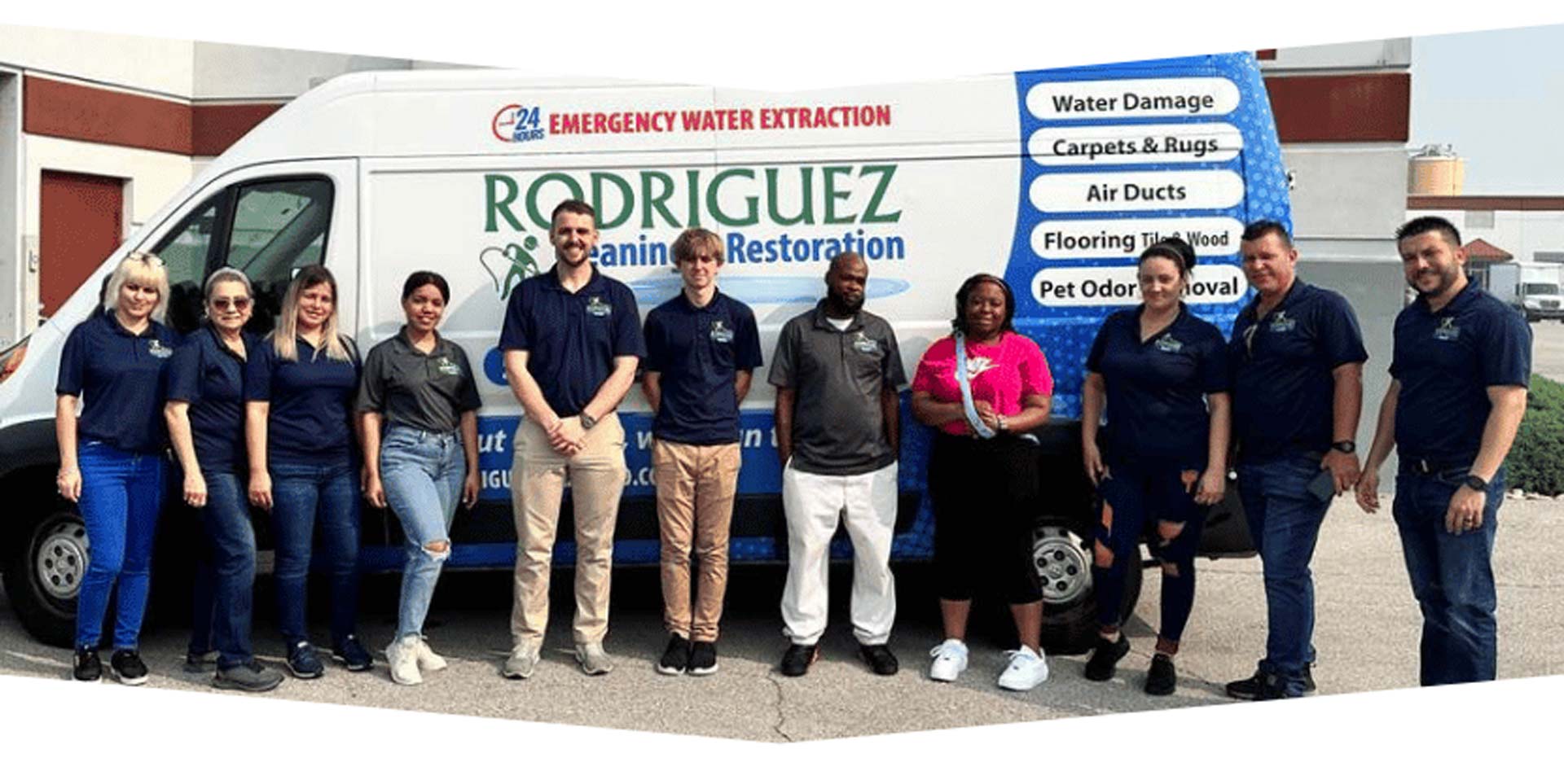
Call to discuss the water damage and the next step for your home. For an urgent situation, use the phone rather than waiting for a form response.
Call (502) 365-6779 Contact our team
Also billed through carriers: mold remediation and commercial restoration losses follow the same documentation path, with the same Xactimate estimate and the same adjuster coordination described above.