Your Water Heater Let Go and the Tank Emptied Into the House
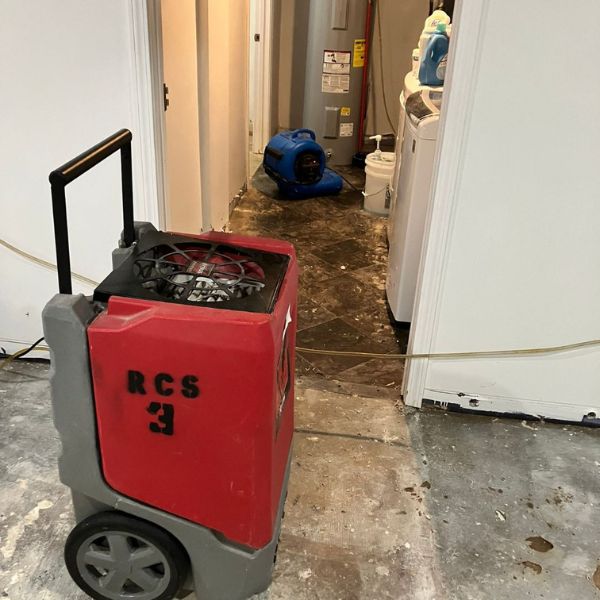
A leaking water heater can affect the surrounding floor, nearby walls, and adjoining rooms. The amount and path of the water depend on the failure and how long it continued. A plumbing professional should assess and address the appliance while our restoration team handles the escaped water and affected materials.
We answer 24/7, assess where water traveled, and explain extraction, drying, and repairs. Do not approach a wet appliance or electrical equipment to investigate the leak.
Filing a Water Heater Claim. We Bill Your Insurance Company Directly.
Your insurer determines coverage for water heater damage based on the policy and facts of the loss. We document affected materials and mitigation work, prepare the final Xactimate mitigation estimate after completion, and then meet the adjuster for the repair walkthrough. Direct billing does not guarantee approval or payment. Read our water damage insurance process before assuming a particular claim outcome.







Testimonials
Rated Five Stars by Louisville Homeowners After the Tank Failed

Most people do not think about the water heater until the day it puts its contents on the floor. The reviews below come from Louisville homeowners who called us on exactly that day. They mention how quickly a truck arrived, what we found under the flooring that they had not spotted, and how straightforward the insurance side turned out to be.

Our Process
How We Clean Up After a Water Heater Failure
Heater water starts out clean, which gives us a real chance of saving flooring and drywall if we reach it quickly. The whole approach is built around getting underneath things before the water settles in.
We document the work throughout mitigation with photographs, moisture readings, and the restoration scope. An initial rough mitigation estimate may be available, but we prepare the final mitigation estimate after mitigation is complete. This keeps completed emergency work separate from the later repair estimate.
After mitigation is complete, we walk through the affected areas with the adjuster to review repairs. With your authorization, we review the adjuster’s estimate and discuss restoration scope and pricing on your behalf. Repairs begin after the scope and price are agreed and you authorize the work. Your insurer determines coverage and claim payment. See our water damage insurance process.


Why Water Heaters Fail and Where the Damage Lands
The Tank Rusted Through
This is how most of them end. The glass lining inside the steel tank develops cracks, water reaches the steel, and it corrodes from the inside out until the bottom gives way. There is no warning noise and no slow drip first. The tank simply opens and everything in it lands on the floor at once. Tanks usually reach this point somewhere between eight and twelve years old.
The Anode Rod Was Never Replaced
Inside every tank sits a sacrificial rod designed to corrode instead of the steel. It is a consumable part, it is meant to be checked every few years, and almost nobody does it. Once it is spent the tank starts on itself, which is why heaters fail on a fairly predictable timeline.
Sediment Build Up
Louisville water leaves mineral sediment in the bottom of the tank. It insulates the steel from the water above it, so the burner overheats the metal it touches and weakens it. The rumbling or popping some heaters make is that sediment, and it is a warning worth acting on.
Fittings, the Relief Valve and the Drain
Not every failure is the tank itself. The temperature and pressure relief valve, the flexible connectors on top and the plastic drain valve at the base all fail on their own. These tend to leak rather than burst, which is worse in one respect, because they can run quietly for months behind a closet door.

Where the heater sits decides how much of the house the water reaches.
Basements
The most common spot and often the least noticed, because nobody goes down there every day. Water spreads across the slab and into stored belongings, carpet and the bottom of any finished wall.
Garages
A little more forgiving, since garages usually slope toward the door, but water still reaches the adjoining wall and gets under the threshold into the house.
Utility Closets on the Main Floor
The worst version. Water leaves the closet in every direction into finished living space, gets under hardwood and laminate, and wicks into drywall in several rooms at once.
Attic and Upper Floor Installations
Less common but by far the most damaging, because the water has two storeys to travel through. Ceilings, insulation, light fixtures and everything below all get involved.