When water gets into your home, the first question a restoration professional asks is not how much, but what kind. The source of the water determines how dangerous it is, how it has to be cleaned, and how much of your home can be saved. The industry sorts water damage into three categories, from clean water to hazardous black water. Here is what each category means, what causes it, and why it matters for your health, your home, and your cleanup costs in Louisville.
The three categories of water damage
Water damage is classified by how contaminated the water is. These categories come from the IICRC, the standards body that certifies restoration professionals. The three categories are clean water (Category 1), gray water (Category 2), and black water (Category 3). One important thing to know up front is that clean water does not stay clean. Left untreated, Category 1 water can degrade into Category 2 or 3 within 24 to 48 hours as bacteria and mold begin to grow.
Category 1: Clean water
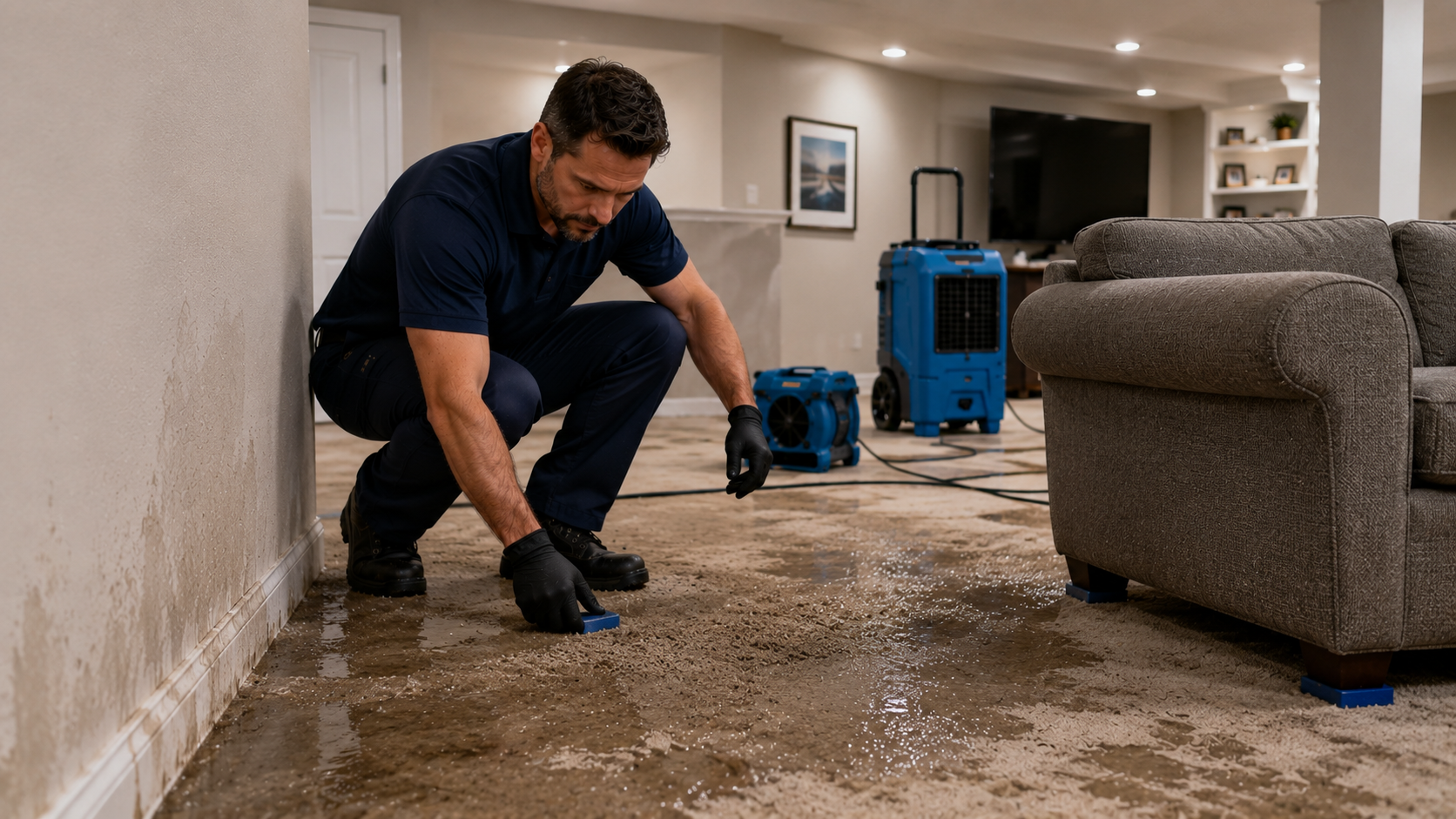
Clean water comes from a sanitary source and does not pose an immediate health risk. Common sources include a broken supply line, an overflowing sink or bathtub, rainwater, or melting snow. Because the water is clean, small spills can often be dried and handled quickly. The catch is time. If clean water sits in carpet, drywall, or subflooring, it soaks into porous materials and can turn into gray or black water within a day or two. Fast drying is what keeps a clean water problem from becoming a bigger one.
Category 2: Gray water
Gray water is used water that carries some contamination but not raw sewage. It often comes from a dishwasher or washing machine discharge, a toilet overflow that contains urine but no feces, or a sump pump failure. Gray water can cause illness if swallowed and needs to be handled with proper protective gear. Materials that have soaked up gray water, such as carpet padding, often have to be removed rather than dried. If gray water is left for more than 48 hours, it is treated as black water.
Category 3: Black water
Black water is grossly contaminated and can cause serious illness. It includes sewage backups, flooding from rivers or streams, storm surge, and any water that has touched fecal matter. Black water carries bacteria, viruses, and other harmful contaminants, so it is never a do it yourself job. Porous materials that contact black water, including carpet, padding, drywall, and insulation, usually must be removed and discarded. Cleanup requires professional containment, protective equipment, and sanitizing to make the home safe again. If you are dealing with a sewage backup, see our sewage cleanup services in Louisville.
Why the category matters for cleanup and cost
The category of water sets the entire recovery plan. Clean water may only need extraction and drying. Gray and black water require more removal of contaminated materials, more safety precautions, and sanitizing, which increases both the work and the cost. This is one of the biggest reasons two water damage jobs of the same size can have very different prices. For a full breakdown, read our water damage restoration cost guide for Louisville.
The four classes of water damage
Along with categories, restoration pros also rate water damage by class, which describes how much water is present and how hard it is to dry.
- Class 1: The least water, affecting part of one room with little absorption into materials.
- Class 2: A larger amount of water affecting an entire room, with water wicking up the walls.
- Class 3: The greatest amount of water, often coming from overhead and saturating walls, ceilings, and floors.
- Class 4: Water trapped in materials that are hard to dry, such as hardwood, plaster, or concrete, which need specialty drying.
Together, the category and class tell your restoration team exactly how to dry and sanitize your home.
Why you have to act fast
No matter the category, time is the enemy. Clean water becomes contaminated within 24 to 48 hours, and mold can begin to grow in that same window. The faster the water is removed and the area is dried, the more of your home you can save and the lower your risk of mold. If your home has just flooded, follow our guide on what to do in the first 24 hours after water damage, and learn how quickly professional mold removal may be needed.
When to call a professional in Louisville
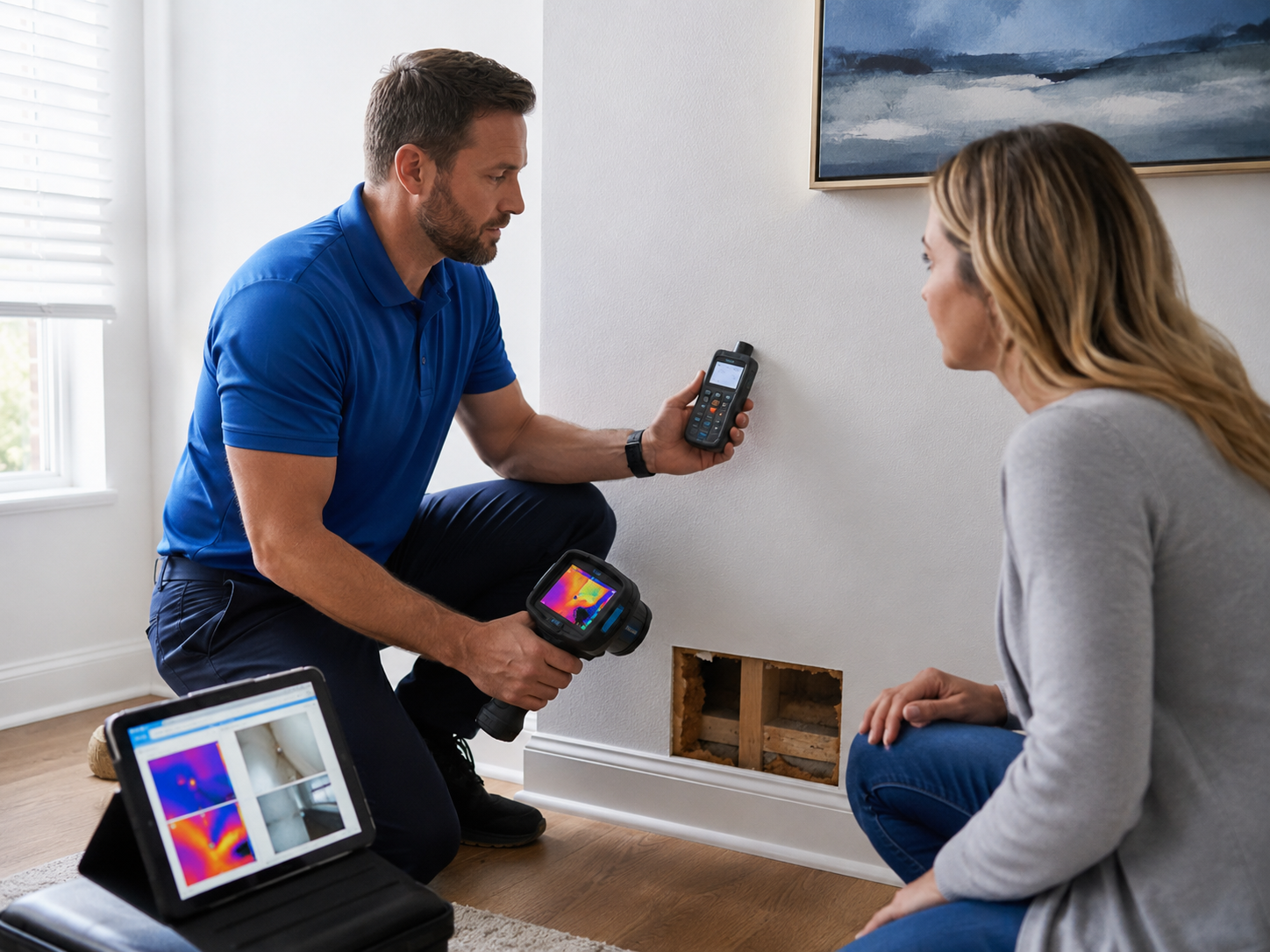
Any gray or black water, and any clean water that has spread into walls or flooring, should be handled by a certified professional. At Rodriguez Cleaning and Restoration, we identify the category, remove the water, and dry and sanitize your home to industry standards. If you are facing a flood, leak, or backup, our team provides water damage restoration in Louisville, KY with fast, 24 hour emergency response.
Frequently asked questions
Is clean water damage dangerous?
Clean water is not an immediate health hazard, but it becomes dangerous if it is not dried quickly. Within 24 to 48 hours it can turn into gray or black water and start to grow mold.
How do I know which category of water I have?
The source is the best clue. Supply line breaks and rainwater are usually Category 1, appliance discharge is Category 2, and any sewage or outdoor flood water is Category 3. When in doubt, treat it as contaminated and call a professional.
Can I clean up black water myself?
No. Black water carries bacteria and viruses that cause serious illness. It requires professional containment, protective equipment, and sanitizing, and contaminated porous materials must be removed safely.
Water damage in Louisville? We can help
The sooner water is removed, the more of your home you save. Rodriguez Cleaning and Restoration provides fast, professional water damage restoration in Louisville, KY, backed by hundreds of five star reviews. Call (502) 365-6779 or request a free quote today.