


Not all carpet cleaning is done the same way. Professional cleaners use several different methods, and each one uses different equipment, moisture levels, and drying times. If you have ever wondered why one company steam cleans while another uses a low moisture system, this guide explains the main carpet cleaning methods, the pros and cons of each, and how to choose the right one for your home in Louisville.
The main carpet cleaning methods
There are five methods you are most likely to come across:
- Hot water extraction, often called steam cleaning
- Encapsulation, a low moisture method
- Bonnet cleaning
- Dry carpet cleaning, also called compound cleaning
- Carpet shampooing
Here is how each one works and where it fits.
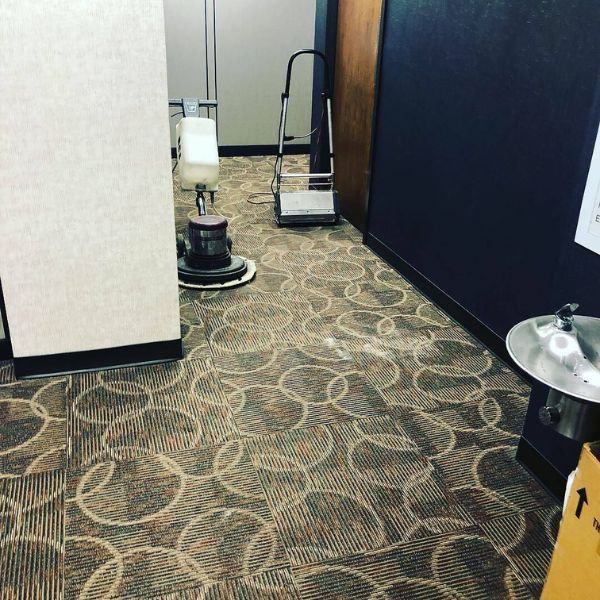
1. Hot water extraction (steam cleaning)
Hot water extraction is the most common professional method and the one most manufacturers recommend. The cleaner sprays heated water and a cleaning solution deep into the carpet, then a powerful machine extracts the water along with the dirt, allergens, and residue it has loosened. Despite the nickname, it does not rely on steam. It uses hot water under pressure.
Pros: A deep clean that reaches the base of the fibers, removes embedded dirt and allergens, and is safe for most carpet types. It is also the method most warranties call for.
Cons: Longer drying time, usually 6 to 12 hours, because more moisture is used.
Best for: Homes that want the deepest clean, households with pets or allergies, and carpets that have not been cleaned in a while.
2. Encapsulation (low moisture cleaning)
Encapsulation uses a cleaning solution that crystallizes as it dries. The crystals surround, or encapsulate, the dirt particles so they can be vacuumed away once the carpet is dry. Because it uses very little water, the carpet is usually dry within one to two hours.
Pros: Fast drying, low moisture, and good for maintenance cleaning between deep cleans.
Cons: It does not clean as deeply as hot water extraction, so it is not the best choice for heavily soiled carpet.
Best for: Offices, commercial spaces, and light residential maintenance where quick drying matters.
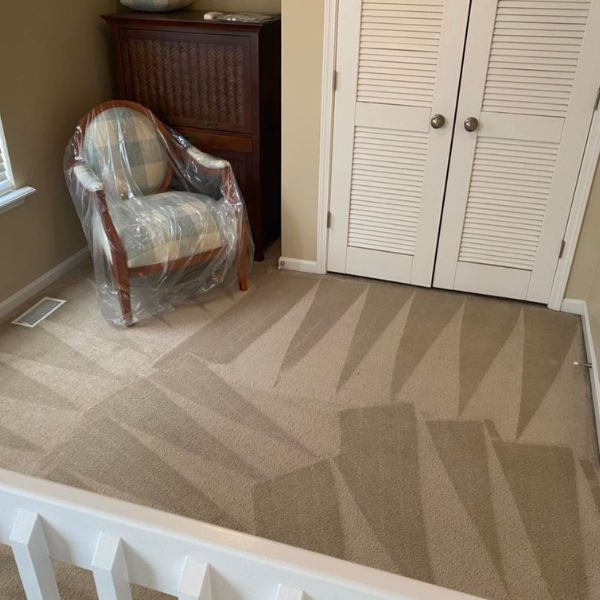
3. Bonnet cleaning
Bonnet cleaning uses a rotating pad, or bonnet, soaked in cleaning solution to clean the surface of the carpet. It is fast and cleans the top layer well, which is why it is popular in hotels and busy commercial buildings.
Pros: Quick, low moisture, and good for a fast surface refresh.
Cons: It only cleans the top of the fibers and can leave residue behind if it is overused. It is not a deep clean.
Best for: Commercial areas that need a quick appearance boost between deep cleanings.
4. Dry carpet cleaning (compound cleaning)
Dry cleaning spreads an absorbent cleaning compound over the carpet. The compound attracts dirt, and a machine works it into the fibers before it is vacuumed up. Almost no water is used, so the carpet can be walked on right away.
Pros: Little to no drying time and simple to use.
Cons: The clean is not as deep, and some compound can remain in the carpet.
Best for: Situations where the carpet has to stay in use and cannot be taken out of service.
5. Carpet shampooing
Shampooing is an older method that works a foamy cleaning solution into the carpet with a brush, then extracts or vacuums it once it dries. It can handle heavy soiling, but it tends to leave behind a sticky residue that attracts dirt faster, which is one reason hot water extraction has largely replaced it.
Pros: Can tackle very dirty carpet.
Cons: Sticky residue, longer drying, and carpets can re-soil quickly.
Best for: Rarely the first choice today, though it is still used on some heavily soiled commercial carpet.
Which carpet cleaning method is best for your home?
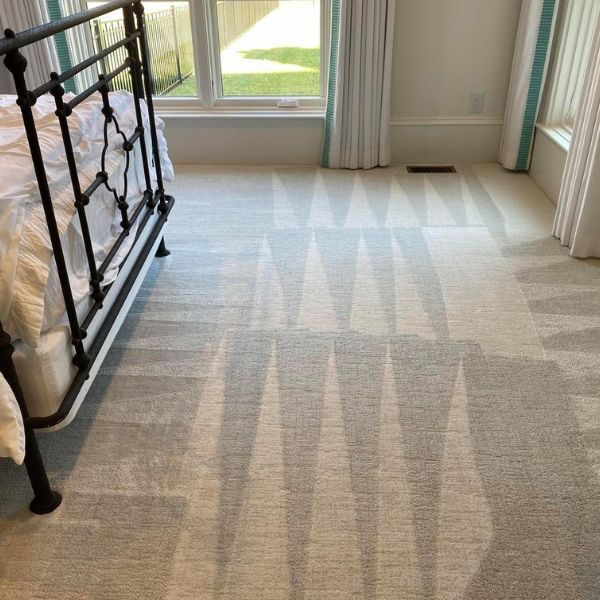
For most homes, hot water extraction is the best choice. It provides the deepest clean, removes the most allergens and bacteria, and is the method most carpet manufacturers require to keep a warranty valid. If your main concern is fast drying or quick maintenance, a low moisture method like encapsulation can be a good fit between deep cleans.
The right method also depends on how dirty the carpet is, the carpet fiber, and whether you have pets or allergies. If you are weighing a deep clean against starting over, our guide on whether it is better to clean or replace your carpet can help. You may also want to review how often to clean your carpets and the average cost of carpet cleaning in Louisville.
Our approach in Louisville
At Rodriguez Cleaning and Restoration, we use professional hot water extraction for most homes because it delivers the deepest, healthiest clean and protects your carpet warranty. Our technicians match the method and solution to your carpet type, pre-treat stains and high traffic areas, and use truck mounted equipment for strong extraction and faster drying. To see the full service, visit our professional carpet cleaning in Louisville, KY page.
Frequently asked questions
Which carpet cleaning method dries the fastest?
Low moisture methods such as encapsulation and dry compound cleaning dry the fastest, often within one to two hours. Hot water extraction takes longer, usually 6 to 12 hours, because it uses more water for a deeper clean.
Is steam cleaning safe for all carpets?
Hot water extraction is safe for most carpet types and is the method most manufacturers recommend. Delicate or specialty fibers should always be cleaned by a professional who can adjust the temperature and solution.
Which method is best if I have pets?
Hot water extraction is usually the best choice for pet owners because it reaches deep into the fibers to remove odor, allergens, and bacteria. For tough odors, ask about a dedicated pet odor treatment.
Schedule your carpet cleaning in Louisville KY
Ready for a deeper, healthier clean? Rodriguez Cleaning and Restoration provides professional carpet cleaning in Louisville, KY backed by hundreds of five star reviews. Call (502) 365-6779 or request a free quote today.
