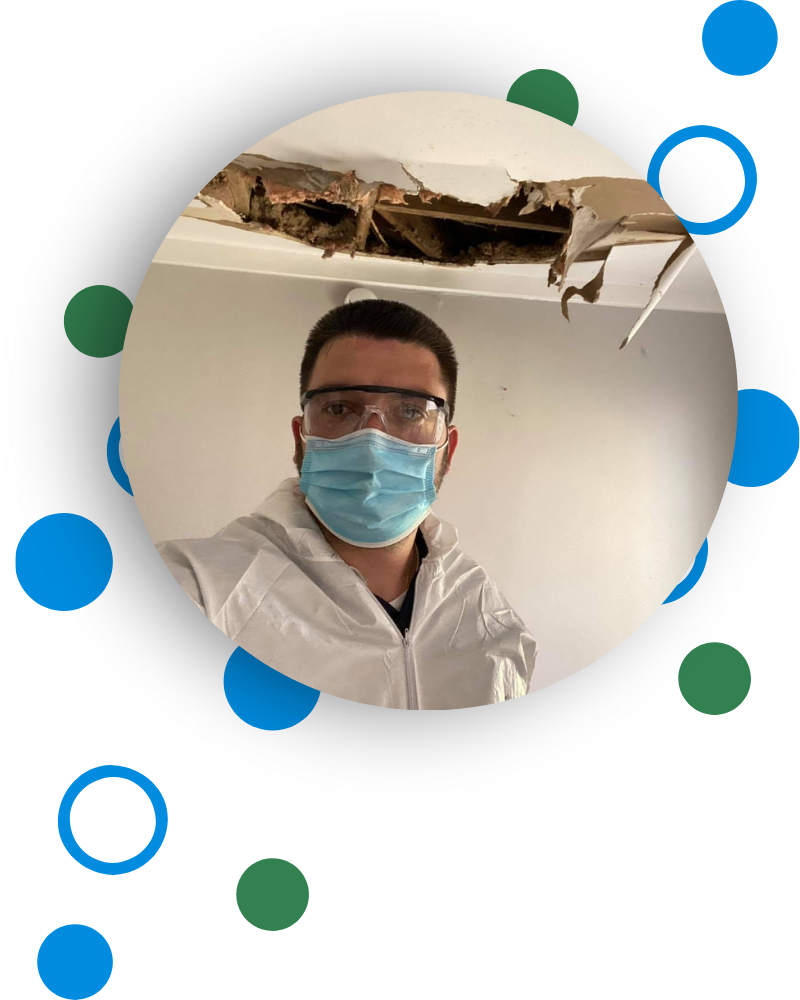
Author: Dayron Rodriguez

Water Damage Restoration Louisville Ky

Ceiling & Attic Water Damage in Louisville, KY: Signs, What to Do, and Who to Call

A water stain spreading across your ceiling — or a damp, musty attic — is one of the easiest problems to underestimate. The leak is usually somewhere you can’t see, the damage is often older than it looks, and by the time the ceiling is sagging or dripping, mold may already be forming above it. Here is how to recognize ceiling and attic water damage, what to do in the first hours, and when it’s time to stop guessing and call a professional in Louisville, KY.

Signs of Ceiling Water Damage

Most ceiling leaks announce themselves long before the ceiling actually fails. Watch for:

  • Brown or yellow rings and watermarks. Discolored rings overhead are the classic sign water has been sitting there — often for a while.
  • Bubbling, peeling, or cracking paint. When moisture gets behind the paint, it lifts and blisters.
  • A sagging or bulging ceiling. Drywall that is drooping or “pillowing” is holding water. This is the urgent one — a saturated ceiling can come down without warning.
  • Active drips, or water tracking along a light fixture. Water follows the path of least resistance, so it often shows up at a can light, vent, or seam — not directly under the leak.
  • A damp or musty smell in an upstairs room with no obvious source.

When is it an emergency? If the ceiling is sagging, bulging, or dripping near electrical fixtures, treat it as one. Keep people and pets out of the room and call for help right away — that ceiling is one heavy patch of drywall away from collapsing.

Signs of Water Damage in Your Attic

Attics are the most dangerous place for water damage because no one looks at them — a slow leak can hide for weeks or months. Next time you’re up there (or have someone check), look for:

  • Matted, dark, or compressed insulation. Wet insulation clumps and stops working; it’s often the first sign.
  • Water stains or streaks on the underside of the roof deck or rafters.
  • Damp, spongy, or discolored wood, or a sheen of frost/condensation in colder months.
  • Black or green mold spotting on the rafters, sheathing, or insulation.
  • A musty, earthy smell the moment you open the attic hatch.

Roof Leak, Plumbing, or Condensation? Finding the Real Source

A stain on the ceiling tells you there’s water — not where it’s coming from. The three usual culprits are:

  • A roof leak — damaged shingles, flashing around a chimney or vent, or ice damming in winter. These tend to worsen during or right after rain.
  • A plumbing leak — a supply line, drain, or a second-floor bathroom above the stain. These often leak steadily regardless of weather.
  • HVAC or condensation — a sweating air-conditioning line or duct in the attic, common in Louisville’s humid summers.

Pinpointing the source matters, because drying the ceiling does nothing if the water keeps coming. When we respond, we use moisture meters and thermal imaging to trace the water back to where it’s actually entering — behind the drywall, under the insulation, and above the ceiling — instead of guessing.

What to Do in the First Hours

Acting fast can be the difference between drying the ceiling and replacing it. While you wait for a professional:

  • Get people and valuables out of the area beneath the damage.
  • Put down a bucket and towels to catch active drips and protect your floor.
  • If the ceiling is bulging with trapped water, the safest move is to let a professional relieve it. If you must act, do it carefully with a bucket below — a sudden release can bring the whole section down.
  • Cut power to the affected area at the breaker if water is anywhere near lights or outlets.
  • Don’t paint over or patch the stain to hide it — that traps moisture and lets mold grow behind a fresh coat.
  • Don’t ignore it because it “dried up.” A stain that stops growing isn’t fixed; the source is just between cycles.

For a full step-by-step, see our guide on what to do in the first 24 hours after water damage.

How Long After a Leak Does Water Damage Show — and When Mold Starts

Sometimes you’ll see a stain within hours; other times a slow leak hides above the ceiling or in the attic for weeks before it ever shows. That delay is exactly why attic and ceiling leaks are so often “old” by the time they’re discovered — and old water means mold.

The rule we live by in the field: you generally have 24 to 48 hours from the moment water hits before mold can begin to grow. After that, the risk climbs fast. If clean water from a pipe has gone unattended for three days, we automatically treat it as a Category 3 loss — high risk for mold and contamination — even though it started clean. Time turns a simple drying job into a removal-and-remediation job. If you’re already seeing or smelling mold, you’ll want professional mold removal as part of the work. (Not sure how old your damage is? Here’s how to tell if water damage is new or old.)

What Ceiling & Attic Water Damage Means for Your Insurance Claim

This is where it really counts. Insurance generally covers sudden, accidental damage — a pipe that bursts or an appliance that fails right now. It typically does not cover gradual, maintenance-related damage, like a roof that’s been slowly leaking for months. (Every policy is different, so always confirm with your provider.)

A ceiling leak is easy to misjudge because the damage is hidden until it shows. The best thing you can do is document everything before the ceiling is opened up — photos of the stain, the source, and the date you noticed it. When we respond, we record moisture readings, thermal images, and photos so your claim is backed by evidence, not guesswork.

Why Hire a Professional for Ceiling & Attic Water Damage

A ceiling stain is the visible 10% of the problem. The other 90% — soaked insulation, wet framing, trapped moisture in the wall cavity — is what causes mold, sagging, and a second repair bill down the road. A professional restoration team will:

  • Find and map the real source with moisture meters and thermal imaging.
  • Extract water and dry the structure — not just the surface — including the cavity above the ceiling and the attic.
  • Identify and contain any mold before it spreads through the attic.
  • Document the loss for your insurance.
  • Make sure it’s truly dry before anything gets closed back up, so new drywall and paint bond correctly and the problem doesn’t come back.

We provide an image report showing all the moisture readings, so you have proof of whether your home is fully dry — not just dry to the touch.

Call Louisville’s Trusted Water Damage Team — 24/7

Rodriguez Cleaning & Restoration has been Louisville’s IICRC-certified, family-owned water damage team since 2012, backed by 750+ five-star reviews and a 100% money-back guarantee. We handle the whole job — from emergency water extraction and complete structural drying to full water damage restoration in Louisville, KY.

Got a stained, sagging, or leaking ceiling — or a wet attic? Call us 24/7 at (502) 365-6779 for a free on-site assessment and image report — we’ll be there within the hour.

Frequently Asked Questions

How long after a leak does water damage show on a ceiling?
It varies. A bad leak can stain a ceiling within hours, while a slow roof or attic leak can hide for weeks before any mark appears. Because the source is usually out of sight, ceiling damage is often older than it looks — which is why mold is a real risk by the time it shows.

Is a sagging ceiling an emergency?
Yes. A sagging or bulging ceiling is holding water and can collapse without warning. Keep people and pets out of the room, cut power to the area if water is near fixtures, and call a professional right away.

Can a water-stained ceiling be saved, or does it have to be replaced?
If it’s caught early and fully dried, the ceiling can often be saved. If it’s been wet for days, is sagging, or has mold above it, the affected drywall usually needs to come out. The only way to know is to measure the moisture, not judge by appearance.

Should I just paint over the water stain?
No. Painting over a stain traps moisture and lets mold grow behind the fresh coat. Find and fix the source, dry the area completely, then refinish.

Do you fix the leak too, or just the water damage?
We focus on water damage mitigation, drying, and mold — and we help you identify the source so the right repair (roofer, plumber, HVAC) gets it stopped. Call us and we’ll walk you through it.

Related Louisville service: When moisture remains in rafters, insulation, ceilings, or wall cavities, our structural drying and dehumidification team uses measured drying goals to verify progress.
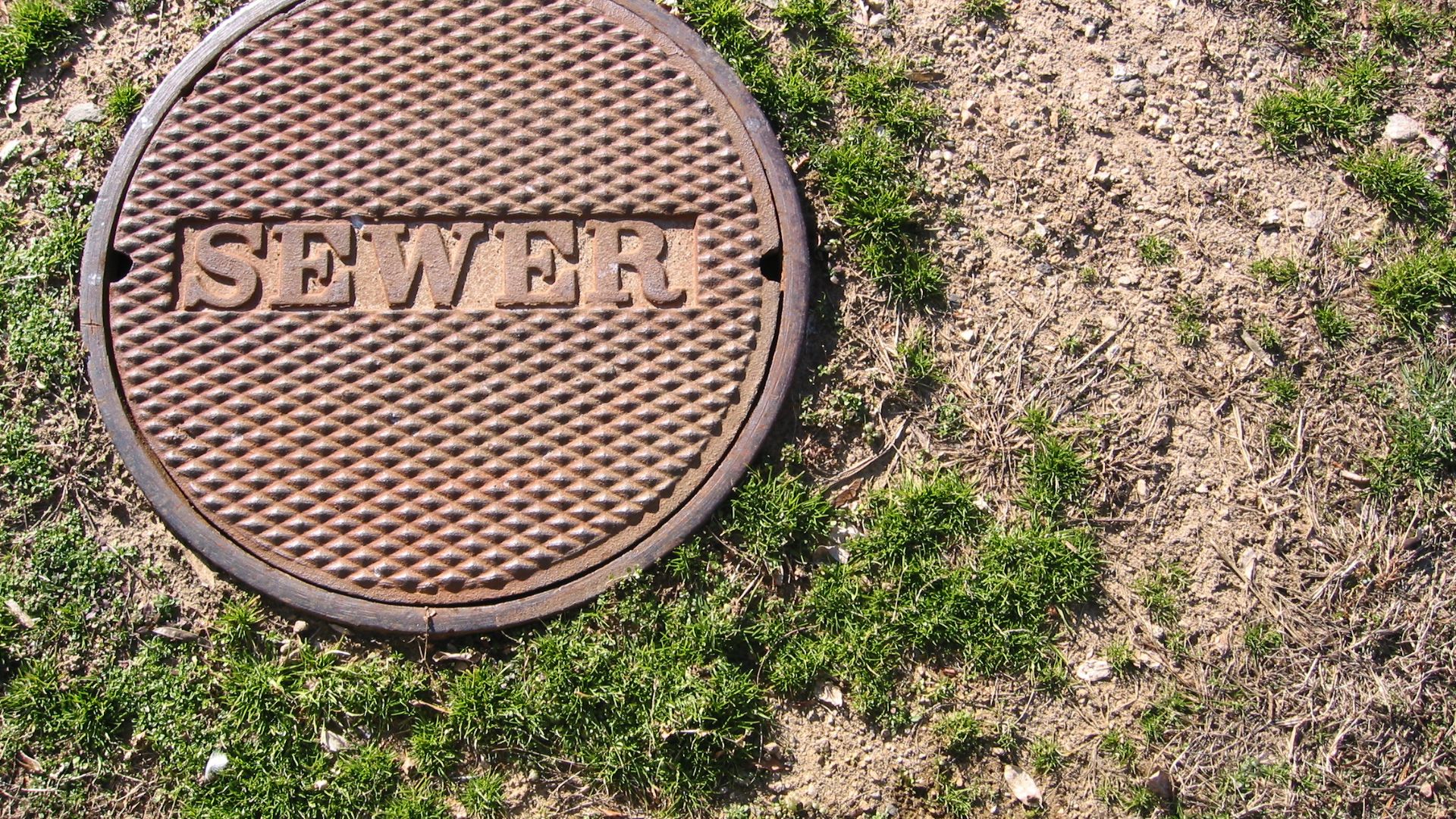
Sewage cleanup in Bellemeade, KY by Rodriguez Cleaning and Restoration

How Much Does Sewage Cleanup Cost in Louisville, KY?

A sewage backup is one of the most serious, and most expensive, problems a Louisville home can face. Here is what cleanup actually costs, what drives the price, and what the process involves so there are no surprises.

Dealing with a sewage backup right now? Call (502) 365-6779 for 24/7 emergency response.

How Much Does Sewage Cleanup Cost in Louisville?

Most sewage backup cleanup and restoration jobs in Louisville run $3,000 to $6,000. Sewage falls in the same cost range as major water damage restoration, the price is mostly equipment rental, labor, and intensive cleaning and sanitizing. The difference is that sewage almost always requires removing contaminated materials and rebuilding them, so these jobs typically involve more repairs and a longer overall restoration timeline.

What Affects the Cost

  • The size of the affected area
  • How much porous material must be removed (the IICRC requires porous materials contaminated by sewage to be removed completely)
  • Structural drying with air movers and dehumidifiers
  • Air scrubbing, sewage releases airborne contamination, so cleaning the air is part of the job
  • The amount of repair and rebuild needed afterward
  • The category and severity of contamination

Most Common Causes of Sewage Backups in Louisville

  • Drain backups from clogs, water backing out of regular drains, often from tree-root intrusion in the line
  • Toilet backups, very common, especially in basements
  • Failure of toilet ejector/pump systems, pumps attached to basement toilets stop working and back up

Our Sewage Cleanup & Restoration Process

  1. Inspection. We assess the full scope of the contamination.
  2. Removal of contaminated materials. Most materials beyond the basic structure have to go, any porous material is removed completely per IICRC standards. We handle all of it.
  3. Cleaning & sanitizing. We clean and sanitize everything thoroughly using truck-mounted, commercial-grade equipment and very hot water to disinfect properly.
  4. Structural drying. We set air movers and dehumidifiers to dry the structure completely.
  5. Air scrubbing. Because sewage releases significant airborne contamination, we run air scrubbers to clean the air, highly recommended and included.
  6. Repairs & restoration. We rebuild what was removed so your home is whole again.

Trained, Certified & Detail-Focused

All of our technicians are trained and certified to handle sewage cleanup safely. We are especially meticulous when it comes to structural cleaning, because doing it right is what protects your family’s health.

Does Insurance Cover Sewage Cleanup?

Many homeowner insurance policies cover sewage backup, often through a water-backup endorsement. We document every stage and work directly with your insurer. Learn more on our emergency sewage cleanup in Cost Louisville, KY page.

Rodriguez Cleaning & Restoration offers 24/7 sewage cleanup and biohazard restoration in Cost Louisville, KY. Call (502) 365-6779 or request help now.

Sewage Cleanup Cost FAQs

How much does sewage cleanup cost in Louisville?
Most jobs run $3,000 to $6,000, depending on the affected area, how much material must be removed, and the repairs needed.

Why does sewage cleanup cost more than water damage?
The cleanup itself is similar, but sewage requires removing and rebuilding contaminated porous materials and extra sanitizing/air scrubbing, which adds repairs and time.

What causes sewage backups?
Most often drain clogs (including tree roots), toilet backups, and failed basement toilet ejector pumps.

Do you remove contaminated materials?
Yes. Porous materials contaminated by sewage are removed completely per IICRC standards, then we clean, sanitize, dry, and air-scrub.

Does insurance cover sewage backup?
Often yes, via a water-backup endorsement. We document the damage and coordinate the claim with your insurer.

More than a sewage backup? Sewage is a form of black water damage. Rodriguez Cleaning and Restoration also provides professional water damage restoration in Cost Louisville, KY. Call (502) 365-6779 for 24 hour emergency service.

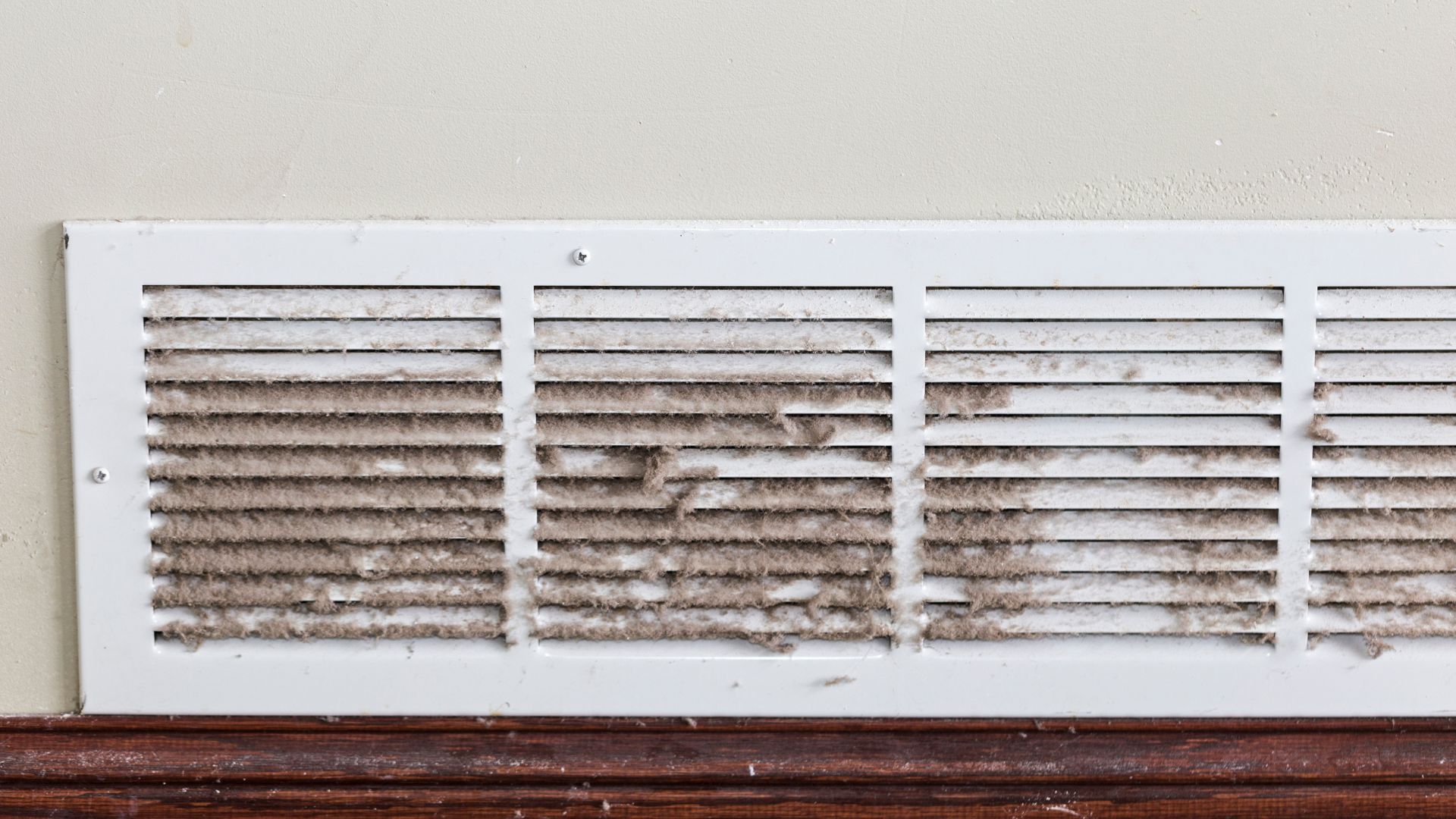
Air duct cleaning in Bellemeade, KY by Rodriguez Cleaning and Restoration

How Much Does Air Duct Cleaning Cost in Louisville, KY? (2026 Pricing Guide)

Wondering what air duct cleaning costs in Louisville? Here is straightforward, real pricing, no gimmicky “$99 whole-home” bait. Rodriguez Cleaning & Restoration prices by the number of vents, so your quote reflects the actual work your home needs. See our full air duct cleaning in Louisville, KY service page for the process and what is included.

Want a quick quote? Tell us your vent count over the phone at (502) 365-6779, or request an estimate. When our technician arrives, they double-count every vent with you so you are always priced correctly, no surprises.

How Much Does Air Duct Cleaning Cost in Louisville, KY?

Air duct cleaning starts at a $429 minimum, and most Louisville homes land between $500 and $1,000 depending on the number of vents and any add-ons. Here is our full pricing:

Standard Service Area (within 25 miles)

Number of vents Price
Up to 10 vents $429
11 to 15 vents $579
16 to 20 vents $739
Each additional vent $37

Extended Service Area (25 to 35 miles)

Number of vents Price
Up to 10 vents $509
11 to 15 vents $659
16 to 20 vents $819
Each additional vent $37

Add-Ons

Add-on Price
Antimicrobial application $9 per vent
Dryer vent cleaning $100 with air duct cleaning, $190 on its own
Additional furnace $160
Painted vent covers $6 each
High ceiling / tall ladder needed $110

Homes with more than four ceiling vents require a second technician (an additional $75) so the job is done safely and efficiently.

What’s Included in Every Air Duct Cleaning

  • Furnace cleaning, we remove the bottom panel and clean the furnace and the main trunk line, not just the vents
  • All supply and return vents, cleaned one room at a time so nothing is missed
  • A walkthrough vent count with you before we start

How We Clean Your Air Ducts

We use powerful compressed air, about 175 PSI, to blast built-up dust, debris, and allergens loose from inside each vent. The debris is captured in a collection box and pulled out to our truck through a vacuum hose, so it leaves your home completely instead of scattering into the air. It is powerful and fully contained.

A Couple Things to Know Before We Arrive

  • Painted-over vent covers. We carefully remove every vent cover to avoid cracking the drywall. If your covers have been painted over, removing them can crack the surrounding drywall, we cannot be responsible for paint-sealed covers, and painted covers carry a $6-each charge.
  • Have a fresh air filter ready. The cleaning process kicks up dust and your filter usually catches a lot of it, so we recommend having a new filter on hand. We will gladly swap it in when we finish.

Why Louisville Homeowners Choose Rodriguez

Our technicians are trained and certified, our pricing is transparent and based on your actual vent count, and furnace cleaning is included, not an upsell. You get a thorough, contained clean and an honest price.

Ready for cleaner air? Rodriguez Cleaning & Restoration provides professional air duct cleaning in Louisville, KY. Call (502) 365-6779 or request your free estimate.

Air Duct Cleaning Cost FAQs

How much does air duct cleaning cost in Louisville, KY?
It starts at a $429 minimum. Most homes run $500 to $1,000 depending on vent count and add-ons like antimicrobial treatment or dryer-vent cleaning.

How do you price air duct cleaning?
By the number of vents. We can give you a quote over the phone from your vent count, and our technician double-counts every vent on arrival so the price is accurate.

Is furnace cleaning included?
Yes, we remove the bottom panel and clean the furnace and main trunk line as part of the service.

How do you actually clean the ducts?
With about 175 PSI of compressed air that blasts debris loose, captured in a collection box and vacuumed out to our truck so it leaves your home entirely.

Do you clean dryer vents?
Yes. Dryer vent cleaning is $100 when added to an air duct cleaning and $190 on its own.

What if my vent covers are painted over?
We remove them carefully, but painted covers can crack the drywall when removed (we are not responsible for paint-sealed covers) and are $6 each.

Water Damage Restoration Louisville KY Hero

How to Tell If Water Damage Is New or Old in Louisville, KY

When you spot water damage, one of the first questions that matters, for both your home and your insurance claim, is whether it is new or old. Fresh damage can often be dried and saved if you act fast. Old, long-term damage usually means hidden mold, rot, and a tougher insurance conversation. Here is how to tell the difference, and when to stop guessing and call a professional.

Inspecting new vs old water damage in a Louisville, KY home with a moisture meter and thermal camera

Signs of New (Fresh) Water Damage

  • There is visible water. Standing or actively spreading water is the clearest sign the damage is new.
  • Materials are damp and cold to the touch and feel genuinely wet.
  • Drywall may be sagging or coming down. Saturated drywall that is bulging or falling is a fresh, active problem.
  • The color is still original. Your walls and ceilings mostly still have their normal color, heavy staining and discoloration have not set in yet.

Signs of Old Water Damage

  • Black mold growing around the area. Mold means the moisture has been there a long time.
  • Rotted or softened wood. Wood that is spongy, crumbling, or rotted points to a long-standing leak.
  • A musty smell. That damp, musty odor typically starts after about 24 hours and grows stronger the longer moisture sits.
  • Yellow rings and watermarks on the ceiling. Discolored rings overhead are a classic sign of water that has been there a while.

The Mold Timeline: Your 24 to 48 Hour Window

Mold is the clock. You generally have 24 to 48 hours from the moment water hits to start drying the surfaces before mold can begin to grow. After that, the risk climbs fast.

We follow a clear rule in the field: if we walk into a home where clean water from a pipe has gone unattended for three days, we automatically treat it as a Category 3 loss, high risk for mold and contamination, even though it started as clean water. Time turns a simple, dryable problem into a removal-and-remediation job. If you are already seeing or smelling mold, you will want professional mold removal as part of the job.

What Water Rings and Stains Tell You

The moment you see a water ring or stain, you know there is, or was, water damage. But a stain alone does not tell you whether it is active. An old stain will read dry on a moisture meter, while a new one is still wet behind the surface. The only reliable way to know is to measure it, not to look at it.

Why You Cannot Trust the “Touch Test”

Here is the mistake almost everyone makes: judging wet vs. dry by feel. The problem is you are not measuring, you are guessing, and guessing gets it wrong. Cold does not mean wet. A surface can feel cold and be perfectly dry, and it can even feel warm while moisture is trapped inside. Your hand cannot tell the difference. You have to rely on a professional, calibrated tool designed to read moisture, along with thermal imaging, to find and confirm the hidden moisture behind walls, under floors, and above ceilings.

Why New vs. Old Matters for Your Insurance Claim

This is where it really counts. Insurance covers sudden, accidental damage, something that happened right now, like a burst pipe or appliance failure. It does not cover ongoing, maintenance-related damage, like a slow leak that has been seeping for months. (Every policy is different, so always confirm with your provider.)

You need to be careful and accurate in how you present the cause to your insurer, never lie, but make sure a genuine, sudden accident is documented as exactly that. The way the loss is described and proven can make the difference between a paid claim and a denied one.

There is another reason this matters: for insurance to pay for the rebuild, the structure has to be properly dried, cleaned, and sanitized first. Done right, new flooring bonds correctly to the subfloor and you avoid fighting mold down the road. Skip that step and the problems, and costs, come back. When we respond, we document everything with moisture readings, thermal images, and photos so your claim is backed by evidence, not guesswork. If you have not already, read our guide on what to do in the first 24 hours after water damage.

When to Stop Guessing and Call a Professional

If you are a homeowner and you do not know what to do, or what to tell your insurance, do not guess. Call a professional like us. We come out free of charge for a no-obligation inspection, give you peace of mind, and provide an image report showing all the moisture readings so you have proof of whether your home is fully dry. If it is not, we handle full water damage mitigation in Louisville, KY from start to finish, including emergency water extraction and complete structural drying.

Call Louisville’s Trusted Water Damage Team, 24/7

Rodriguez Cleaning & Restoration has been Louisville’s IICRC-certified, family-owned water damage restoration team since 2012, backed by 750+ five-star reviews and a 100% money-back guarantee.

Not sure if your water damage is new or old? Call us 24/7 at (502) 365-6779 for a free on-site assessment and image report, we will be there within the hour.

Ready to book? Rodriguez Cleaning & Restoration provides water damage restoration in Louisville, KY backed by 750+ five-star reviews. Call (502) 365-6779 or request a free quote today.

Dealing with a sewage backup or sewer line issue? See our emergency sewage cleanup in Louisville, KY.

Water Damage Restoration Louisville KY Hero

What to Do in the First 24 Hours After Water Damage in Louisville, KY

When you discover water in your home, the first 24 hours decide almost everything, how much gets saved, how much it costs, and whether your insurance claim goes smoothly. Water does not wait. It soaks deeper into your floors, walls, and framing by the hour, and mold can begin growing in as little as 24 to 48 hours. Here is exactly what to do, step by step, and just as importantly, what not to do.

Water damage restoration in a Louisville, KY home with drying equipment and thermal imaging

First: Stay Safe Before You Do Anything

Before you touch anything, protect yourself:

  • Watch for water near outlets or electrical. If water has reached, or gotten close to, any electrical outlet, do not step into it, it is not worth the risk. If you can safely shut off power to the affected area, do it; if you cannot, stay out.
  • Stay away from anything gas-related. If you suspect a gas appliance or line is involved, keep clear.
  • Avoid sagging or falling drywall and any part of the structure that looks compromised. Waterlogged ceilings and walls can come down without warning.

Stop the Source, If You Can Do It Safely

If the water is coming from a burst pipe, an overflowing appliance, or a fixture, shut off the water at the source or the main valve. Stopping the flow is the single biggest thing you can do to limit the damage while help is on the way.

Take Photos of Everything, This Is Critical

Before anything gets moved or cleaned up, take lots of pictures and video. Capture the water coming in, the source, and everything affected, flooring, walls, baseboards, furniture, and belongings. This documentation is what protects you if you file an insurance claim. You can never have too many photos, and you cannot re-create them once cleanup starts.

What NOT to Do (The Mistakes That Cost Louisville Homeowners the Most)

  • Do not start throwing things away. Damaged belongings may be part of your claim, and tossing them removes the proof.
  • Do not rip out carpet, drywall, or flooring yourself. If you have never handled water damage and do not know how the insurance process works, removing materials the wrong way, with no documentation, can cost you coverage and money. Let a certified team assess it first.
  • Do not assume it is “just a little water.” Moisture travels behind walls and under floors where you cannot see it. A small spot on the surface is often far larger underneath.

Think Carefully Before You Call Your Insurance

This surprises people, but here is our honest advice: do not rush to file a claim before you understand what you are dealing with. Opening a claim puts it on your record whether or not it ends up being worth filing. Instead:

  1. Get a free, professional estimate first so you know the realistic cost of the damage.
  2. Compare that cost against your deductible and coverage. If the repair is close to or below your deductible, filing may not make sense.
  3. If you have already called your insurer, ask them to refer you to an IICRC-certified restoration company they know and trust, do not just take the first name handed to you.

A good restoration company walks you through this decision with you. We do this every day and will help you understand your options before you commit to anything.

A Quick Note on What Is Usually Covered

Every policy is different, so always confirm with your provider, but in general:

  • Most homeowners policies cover sudden, accidental water damage, a dishwasher, refrigerator, or washing machine failure, a burst supply line, or a toilet tank overflowing.
  • A “water backup” endorsement covers sump pump failures and sewer or drain backups (very common in Louisville).
  • Groundwater that seeps in from outside is considered flooding and is typically not covered without separate flood insurance.

Call a Certified Restoration Company, Within the Hour

The faster a certified team arrives, the more we can save and the lower your total cost. When you call our office, we get to your Louisville home within an hour. Here is what happens when we arrive:

  1. An initial walk-through with you, we want you there so you understand exactly what happened.
  2. We start at the source and trace the damage from there.
  3. We check everything with moisture meters and thermal cameras, framing, flooring, drywall, and the hidden moisture behind walls and under floors you cannot see.
  4. We determine clean water vs. sewage. Clean water is often safe to dry and save; sewage contamination usually means certain materials must be removed for your family’s safety.
  5. We build a clear scope of work and a realistic estimate, then help you decide whether to pay out of pocket or file a claim.

From there, our water damage restoration team in Louisville handles every stage, emergency water extraction, structural drying, and any mold removal, under one roof.

Common Causes of Water Damage in Louisville Homes

  • Sump pump failures, a leading cause of basement flooding here.
  • Appliance leaks, dishwashers, refrigerators, and washing machines.
  • Toilet and fixture leaks.
  • Groundwater intrusion after heavy rain (usually a flood-insurance issue, not standard coverage).

How to Choose a Water Damage Restoration Company You Can Trust

  • IICRC certification, the industry standard for proper, safe restoration.
  • Locally and family owned, a family business has its name and reputation on the line and genuinely cares about doing right by neighbors.
  • A strong track record of reviews, lots of real 5-star reviews mean they care about quality and the customer.
  • Real systems and experience, do they know what they are doing, have they done it many times, and will they come back and make it right if anything goes wrong?

We Are Here 24/7, Call Now

Rodriguez Cleaning & Restoration has been Louisville’s trusted, IICRC-certified, family-owned restoration team since 2012, backed by 750+ five-star reviews and a 100% money-back guarantee. If you have water damage, the clock is already running.

Call us 24/7 at (502) 365-6779 for a free on-site assessment, we will be there within the hour.

Ready to book? Rodriguez Cleaning & Restoration provides water damage restoration in Louisville, KY backed by 750+ five-star reviews. Call (502) 365-6779 or request a free quote today.

Call now (502) 365-6779 Book online Cleaning service Request help Non-emergency
