When you discover water in your home, the first 24 hours decide almost everything — how much gets saved, how much it costs, and whether your insurance claim goes smoothly. Water does not wait. It soaks deeper into your floors, walls, and framing by the hour, and mold can begin growing in as little as 24 to 48 hours. Here is exactly what to do, step by step, and just as importantly, what not to do.
First: Stay Safe Before You Do Anything
Before you touch anything, protect yourself:
- Watch for water near outlets or electrical. If water has reached, or gotten close to, any electrical outlet, do not step into it — it is not worth the risk. If you can safely shut off power to the affected area, do it; if you cannot, stay out.
- Stay away from anything gas-related. If you suspect a gas appliance or line is involved, keep clear.
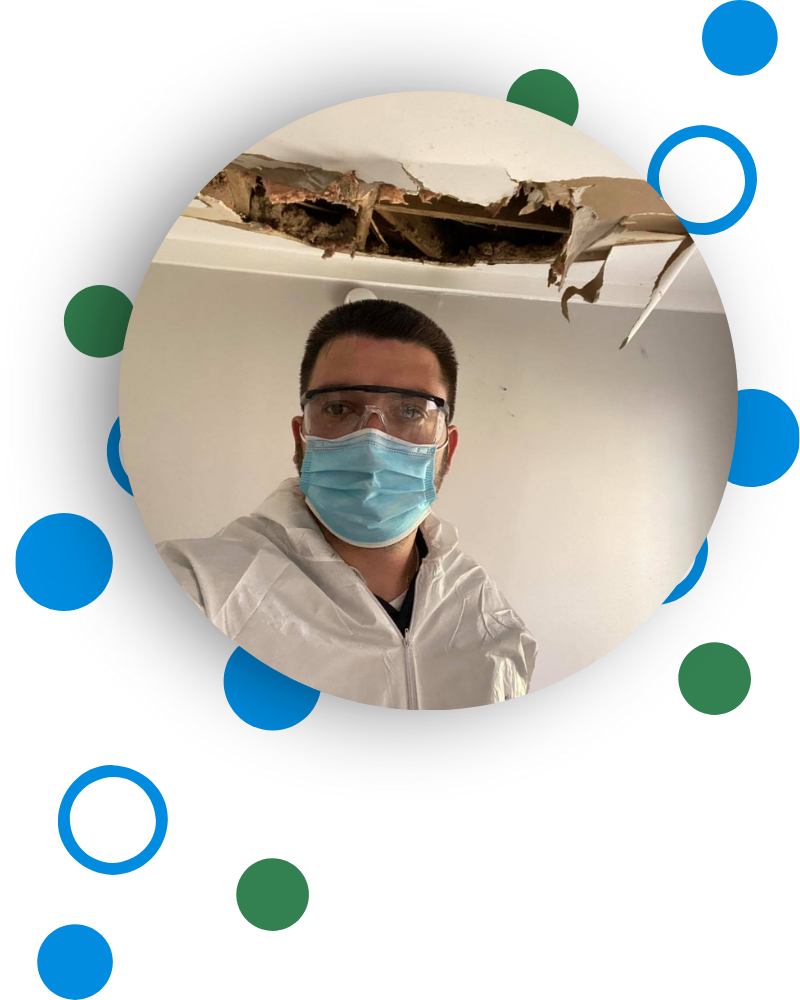
- Avoid sagging or falling drywall and any part of the structure that looks compromised. Waterlogged ceilings and walls can come down without warning.
Stop the Source — If You Can Do It Safely
If the water is coming from a burst pipe, an overflowing appliance, or a fixture, shut off the water at the source or the main valve. Stopping the flow is the single biggest thing you can do to limit the damage while help is on the way.
Take Photos of Everything — This Is Critical
Before anything gets moved or cleaned up, take lots of pictures and video. Capture the water coming in, the source, and everything affected — flooring, walls, baseboards, furniture, and belongings. This documentation is what protects you if you file an insurance claim. You can never have too many photos, and you cannot re-create them once cleanup starts.
What NOT to Do (The Mistakes That Cost Louisville Homeowners the Most)
- Do not start throwing things away. Damaged belongings may be part of your claim, and tossing them removes the proof.
- Do not rip out carpet, drywall, or flooring yourself. If you have never handled water damage and do not know how the insurance process works, removing materials the wrong way — with no documentation — can cost you coverage and money. Let a certified team assess it first.
- Do not assume it is “just a little water.” Moisture travels behind walls and under floors where you cannot see it. A small spot on the surface is often far larger underneath.
Think Carefully Before You Call Your Insurance
This surprises people, but here is our honest advice: do not rush to file a claim before you understand what you are dealing with. Opening a claim puts it on your record whether or not it ends up being worth filing. Instead:
- Get a free, professional estimate first so you know the realistic cost of the damage.
- Compare that cost against your deductible and coverage. If the repair is close to or below your deductible, filing may not make sense.
- If you have already called your insurer, ask them to refer you to an IICRC-certified restoration company they know and trust — do not just take the first name handed to you.
A good restoration company walks you through this decision with you. We do this every day and will help you understand your options before you commit to anything.
A Quick Note on What Is Usually Covered
Every policy is different, so always confirm with your provider, but in general:
- Most homeowners policies cover sudden, accidental water damage — a dishwasher, refrigerator, or washing machine failure, a burst supply line, or a toilet tank overflowing.
- A “water backup” endorsement covers sump pump failures and sewer or drain backups (very common in Louisville).
- Groundwater that seeps in from outside is considered flooding and is typically not covered without separate flood insurance.
Call a Certified Restoration Company — Within the Hour
The faster a certified team arrives, the more we can save and the lower your total cost. When you call our office, we get to your Louisville home within an hour. Here is what happens when we arrive:
- An initial walk-through with you — we want you there so you understand exactly what happened.
- We start at the source and trace the damage from there.
- We check everything with moisture meters and thermal cameras — framing, flooring, drywall, and the hidden moisture behind walls and under floors you cannot see.
- We determine clean water vs. sewage. Clean water is often safe to dry and save; sewage contamination usually means certain materials must be removed for your family’s safety.
- We build a clear scope of work and a realistic estimate, then help you decide whether to pay out of pocket or file a claim.
From there, our water damage restoration team in Louisville handles every stage — emergency water extraction, structural drying, and any mold removal — under one roof.
Common Causes of Water Damage in Louisville Homes
- Sump pump failures — a leading cause of basement flooding here.
- Appliance leaks — dishwashers, refrigerators, and washing machines.
- Toilet and fixture leaks.
- Groundwater intrusion after heavy rain (usually a flood-insurance issue, not standard coverage).
How to Choose a Water Damage Restoration Company You Can Trust
- IICRC certification — the industry standard for proper, safe restoration.
- Locally and family owned — a family business has its name and reputation on the line and genuinely cares about doing right by neighbors.
- A strong track record of reviews — lots of real 5-star reviews mean they care about quality and the customer.
- Real systems and experience — do they know what they are doing, have they done it many times, and will they come back and make it right if anything goes wrong?
We Are Here 24/7 — Call Now
Rodriguez Cleaning & Restoration has been Louisville’s trusted, IICRC-certified, family-owned restoration team since 2012, backed by 671+ five-star reviews and a 100% money-back guarantee. If you have water damage, the clock is already running.
Call us 24/7 at (502) 365-6779 for a free on-site assessment — we will be there within the hour.